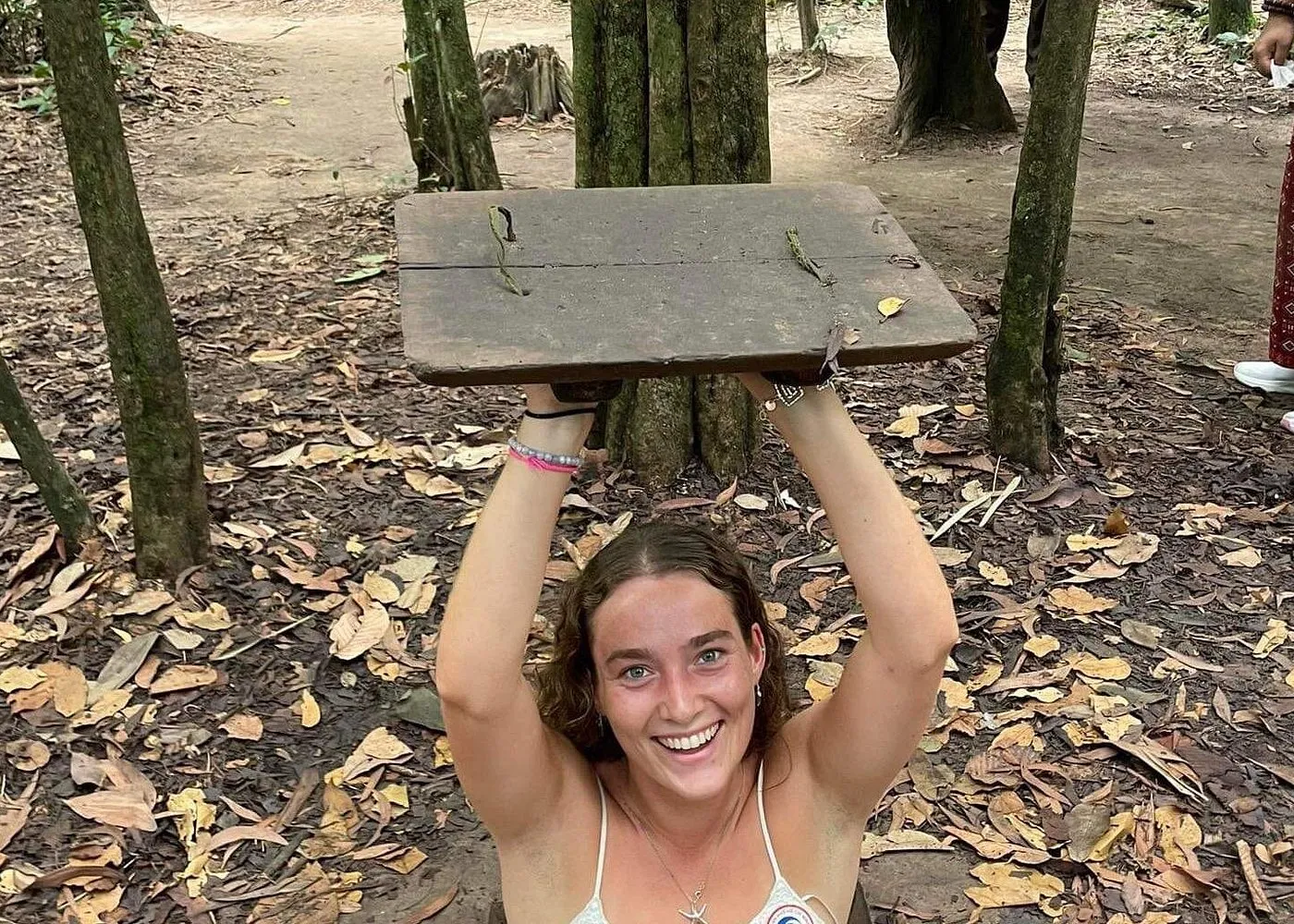
Intenzione di esplorare il leggendario Tunnel di Cu Chi Vicino a Ho Chi Minh City? Prima di addentrarsi in queste straordinarie reti sotterranee, è necessario prepararsi adeguatamente. Cosa indossare? È davvero necessario un repellente per insetti? E cosa fare se si soffre di disagio in spazi ristretti e bui?
Questa guida completa copre tutto ciò che devi sapere su Codice di abbigliamento per i tunnel di Cu Chi, consigli essenziali per la preparazione dei bagagli, strategie di protezione dagli insetti e consigli pratici per i viaggiatori con claustrofobia o paura degli spazi chiusi. Che siate alla vostra prima visita in Vietnam o viaggiatori esperti, questi consigli degli esperti vi aiuteranno a vivere un'esperienza confortevole, sicura e significativa in uno dei siti storici più importanti del Sud-est asiatico.
Riepilogo rapido: Lista di controllo essenziale per i tunnel di Cu Chi
✅ VestiarioPantaloni e maniche lunghe leggeri e traspiranti; scarpe chiuse con suola antiscivolo.
✅ Protezione dagli insettiApplicare un repellente a base di DEET prima dell'arrivo; riapplicarlo dopo l'esplorazione del tunnel.
✅ Preparazione alla claustrofobiaVisita Ben Dinh (gallerie più ampie); concentrati sulle aree esposte in superficie; pratica le tecniche di respirazione.
✅ Altri elementi indispensabili: Borraccia, piccola torcia, cappello, crema solare, abbigliamento modesto per le aree commemorative
✅ EvitareInfradito, abiti succinti, zaini pesanti, profumi forti (attirano gli insetti)
Comprendere l'ambiente dei tunnel di Cu Chi: perché la preparazione è importante
Prima di addentrarci in raccomandazioni specifiche, è essenziale comprendere cosa sperimenterai realmente ai tunnel di Cu Chi. Non si tratta di una tipica visita a un museo, bensì di un viaggio immersivo e fisicamente coinvolgente attraverso una storica rete sotterranea.
Cosa aspettarsi a livello fisico
🌡️ Temperatura e umidità:
- In superficie: 28-35 °C (82-95 °F) tutto l'anno, con elevata umidità
- All'interno delle gallerie: leggermente più fresco ma decisamente più umido; la scarsa circolazione dell'aria crea una sensazione di soffocamento.
- Stagione delle piogge (maggio-ottobre): aumento di fango, umidità e attività degli insetti.
🕳️ Condizioni del tunnel:
- Passaggi stretti: le sezioni originali misurano circa 0,8 m di larghezza × 1,8 m di altezza (2,6 piedi × 6 piedi)
- Illuminazione fioca: anche le gallerie “restaurate” utilizzano un’illuminazione elettrica minima per preservare l’atmosfera
- Superfici irregolari: pavimenti in terra battuta, gradini occasionali e soffitti bassi richiedono movimenti attenti.
- Profumi di terra: il terreno naturale, l'umidità e la conservazione storica creano un odore sotterraneo distintivo.
🦟 Attività degli insetti:
- Zanzare: più attive all'alba e al tramonto; presenti tutto l'anno nei climi tropicali.
- Formiche e piccoli insetti: comuni in ambienti ricchi di terriccio; generalmente innocui, ma possono essere fastidiosi.
- Contatto con la vegetazione: il contatto con le piante durante l'ingresso/uscita dalle gallerie può esporvi agli insetti.
🧠 Fattori psicologici:
- Spazi ristretti: anche i tunnel turistici più ampi possono causare disagio a chi soffre di claustrofobia.
- Peso storico: lo scopo solenne del sito può evocare risposte emotive; preparatevi mentalmente
- Dinamiche di gruppo: i gruppi turistici che si muovono attraverso passaggi stretti possono intensificare la sensazione di affollamento.
Comprendere queste condizioni vi aiuterà a prepararvi adeguatamente, non solo per il comfort, ma anche per la sicurezza e il rispetto nei confronti di questo importante sito storico.
Codice di abbigliamento per i tunnel di Cu Chi: cosa indossare per comodità e rispetto
Scegliere l'abbigliamento giusto non significa solo avere comfort, ma anche praticità, sensibilità culturale e massimizzare la propria esperienza. Ecco la tua guida completa a cosa indossare ai tunnel di Cu Chi.
Consigli essenziali sull'abbigliamento
✅ DA INDOSSARE:
Pantaloni lunghi leggeri e traspiranti
- PerchéProtegge le gambe dalle punture di insetti, dalle pareti abrasive delle gallerie e dall'esposizione al sole in superficie.
- I migliori tessuti: Cotone, lino o miscele sintetiche traspiranti
- Evitare: Jeans pesanti (trattengono il calore) o leggings attillati (limitano i movimenti di gattonamento)
Camicie o bluse a maniche lunghe
- PerchéProtegge le braccia dalle zanzare, dal sole e da piccoli graffi durante l'esplorazione dei tunnel.
- Suggerimento di stileLe maniche arrotolabili offrono flessibilità; scegli colori chiari per riflettere il calore
- Nota culturaleUn abbigliamento modesto dimostra rispetto nei luoghi della memoria ed è in linea con le norme vietnamite.
Scarpe chiuse con buona aderenza
- Perché: Essenziale per la sicurezza su terreni irregolari e potenzialmente fangosi; protegge i piedi durante lo strisciamento
- Le migliori opzioni: Scarpe da ginnastica, scarpe da trekking o sandali robusti da passeggio con cinturini
- Evitare: Infradito, tacchi alti o scarpe aperte in punta (scivolose, pericolose, poco pratiche)
Intimo traspirante
- PerchéAiuta a gestire la sudorazione in condizioni di umidità; previene gli sfregamenti durante l'attività fisica.
- Consiglio da professionista: Porta con te una maglietta di ricambio se hai intenzione di continuare a visitare la città dopo la visita al tunnel.
Cappello a tesa larga e occhiali da sole
- PerchéProtegge viso e occhi dall'intenso sole tropicale durante le attività all'aperto.
- BonusIl cappello aiuta a tenere i capelli a posto quando si striscia nei tunnel bassi.
❌ EVITARE di indossare:
Abbigliamento succinto o indecente
- Canotte, pantaloncini corti o top scollati potrebbero essere considerati culturalmente inappropriati nei luoghi della memoria.
- In alcune zone è richiesto di coprire spalle e ginocchia in segno di rispetto.
Tessuti pesanti o restrittivi
- I jeans spessi, la lana o i tessuti sintetici non traspiranti trattengono calore e umidità.
- Gli indumenti stretti limitano i movimenti necessari per gattonare e arrampicarsi.
Gioielli o accessori eccessivi
- Collane, braccialetti o orecchini pendenti possono impigliarsi nelle pareti delle gallerie o nella vegetazione.
- Gli accessori ridotti al minimo minimizzano le distrazioni e il rischio di smarrimento in spazi ristretti.
Profumi forti o prodotti profumati
- Le fragranze attraggono le zanzare e altri insetti.
- Nei tratti di galleria scarsamente ventilati, gli odori intensi possono risultare insopportabili.
Adeguamenti stagionali dell'abbigliamento
Stagione secca (novembre - aprile)
- Messa a fuoco: Protezione solare e traspirabilità
- Aggiungere: Sciarpa leggera per proteggere il collo; acqua extra per idratarsi
- Intervallo di temperatura: 22-35 °C (72-95 °F); mattine più fresche, pomeriggi caldi
Stagione delle piogge (da maggio a ottobre)
- Messa a fuocoTessuti resistenti all'acqua e ad asciugatura rapida
- AggiungereGiacca antipioggia leggera o poncho; borsa impermeabile per dispositivi elettronici
- ConsiderarePortate un paio di calzini in più; i tunnel potrebbero risultare più fangosi e umidi.
Sensibilità culturale: vestirsi con rispetto
In Vietnam la modestia è un valore fondamentale, soprattutto nei siti storici e commemorativi. Sebbene i tunnel di Cu Chi siano un'attrazione turistica, rappresentano anche un luogo di ricordo per molte famiglie vietnamite.
Linee guida per un abbigliamento rispettoso:
- Copritevi spalle e ginocchia quando visitate luoghi commemorativi o templi (specialmente a Ben Duoc).
- Togliete il cappello quando entrate in spazi museali al chiuso o in aree commemorative solenni.
- Evita indumenti con slogan offensivi, messaggi politici o immagini inappropriate.
- In caso di dubbio, scegli abiti sobri e dai colori neutri.
Protezione dagli insetti nei tunnel di Cu Chi: strategie essenziali
Le zanzare e altri insetti sono una realtà nell'ambiente tropicale del Vietnam. Una protezione adeguata non riguarda solo il comfort, ma anche la prevenzione delle punture che possono rovinare la vacanza o, in rari casi, trasmettere malattie.
Perché la protezione dagli insetti è importante a Cu Chi
🦟 Attività delle zanzare:
- Momenti di maggiore attività delle zanzare: alba e tramonto (se possibile, programmate le visite alle gallerie a metà mattinata).
- L'acqua stagnante in prossimità delle gallerie crea un terreno fertile per la riproduzione delle zanzare.
- Alcune specie presenti in Vietnam possono essere portatrici di dengue o di altre malattie (rare, ma possibili).
🐜 Altri insetti:
- Formiche: comuni negli ambienti ricchi di terreno; possono strisciare sui vestiti ma raramente mordono.
- Ragni: Generalmente innocui; più spaventosi che pericolosi.
- Insetti che entrano in contatto con le piante: sfiorare la vegetazione può far cadere piccoli insetti sulla pelle.
Strategie efficaci per respingere gli insetti
Scegli il repellente giusto
✅ Prodotti a base di DEET (concentrazione 20-30%):
- Più efficace contro le zanzare nei climi tropicali
- Garantisce da 4 a 6 ore di protezione per applicazione.
- Applicare sulla pelle esposta e sui bordi degli indumenti (testare prima su un tessuto).
✅ Alternative alla picaridina o all'IR3535:
- Efficace, con una sensazione meno oleosa rispetto al DEET.
- Ottima opzione per chi ha la pelle sensibile o preferisce profumi più delicati.
- Riapplicare ogni 3-4 ore per una protezione costante.
✅ Opzioni naturali (da usare con cautela):
- L'olio di eucalipto limone offre una protezione moderata (2-3 ore).
- Le miscele di oli essenziali (citronella, lavanda) offrono una protezione minima; sono da utilizzare preferibilmente come misure integrative.
- ⚠️ Evitate di affidarvi esclusivamente a prodotti naturali nelle zone ad alto rischio di infestazione da zanzare.
Procedure consigliate per l'applicazione
- Fare domanda prima dell'arrivoTrattare la pelle esposta 20-30 minuti prima di raggiungere la zona interessata per consentire l'assorbimento
- Concentrarsi sulle aree ad alto rischioCaviglie, polsi, collo e parte posteriore delle ginocchia attirano le zanzare.
- Riapplicare dopo l'esplorazione del tunnel.L'umidità e l'attività fisica riducono l'efficacia dei repellenti.
- Indumenti protettiviSpruzzare leggermente le gambe e le maniche dei pantaloni (prima testare per verificare la presenza di macchie).
- Evitare l'applicazione sul visoApplicare prima sulle mani, poi picchiettare delicatamente sul viso; evitare il contorno occhi e bocca.
Misure di protezione aggiuntive
👕 Trattamento dell'abbigliamento:
- Per un'esposizione prolungata all'aperto, si consiglia di utilizzare indumenti trattati con permetrina (seguire le istruzioni del prodotto).
- I tessuti di colore chiaro rendono più facile individuare e rimuovere gli insetti
🧴 Cura post-morso:
- Portare con sé una crema antistaminica o dell'idrocortisone per le reazioni inattese.
- Gli impacchi freddi riducono il gonfiore e il prurito causati dalle punture.
- Evitate di grattarvi per prevenire infezioni.
🚫 Evitare le attrazioni:
- Evitate lozioni profumate, profumi o saponi molto profumati prima della visita.
- Gli abiti scuri attirano più insetti rispetto a quelli chiari.
Claustrofobia e spazi ristretti: consigli pratici per una visita confortevole
Se soffrite di ansia in spazi ristretti, bui o chiusi, visitare i tunnel sotterranei potrebbe risultarvi difficile. La buona notizia è che: È ancora possibile vivere un'esperienza significativa nei tunnel di Cu Chi con un'adeguata preparazione e aspettative realistiche.
Comprendere i fattori scatenanti della claustrofobia a Cu Chi
Tra i fattori scatenanti più comuni dell'ansia negli ambienti sotterranei si annoverano:
- Visibilità limitataLa scarsa illuminazione riduce la percezione spaziale.
- Movimento limitato: I passaggi stretti impediscono di girare o stare in piedi facilmente
- Prossimità di gruppoIl passaggio di altri visitatori in spazi ristretti può intensificare la sensazione di affollamento.
- Contesto storicoSapere che le persone hanno vissuto sottoterra per anni può intensificare le risposte emotive
- Incertezza di uscitaNon vedere immediatamente una via d'uscita può scatenare il panico negli individui sensibili
Scegliere il sito giusto per il tunnel: Ben Dinh contro Ben Duoc
Se la claustrofobia è un problema, Gallerie del Ben Dinh è fortemente raccomandato rispetto a Ben Duoc:
| Caratteristica | Ben Dinh (adatto a chi soffre di claustrofobia) | Ben Duoc (Più impegnativo) |
|---|---|---|
| Larghezza del tunnel | Allargata per i turisti (altezza superiore a 1 metro) | Più vicino alle dimensioni ristrette originali |
| Illuminazione | Illuminazione elettrica potenziata | Illuminazione minimale e suggestiva |
| Ventilazione | Sistemi di flusso d'aria migliorati | Più autentico, potenzialmente più formale |
| Gestione della folla | Flusso strutturato; punti di ingresso multipli | Gruppi più piccoli ma con un ritmo meno controllato. |
| Focus sulla superficie | Ampia esposizione; ingresso tramite tunnel facoltativo | Meno servizi; maggiore enfasi sull'esperienza sotterranea. |
Strategie di preparazione alla visita
Preparazione mentale
🧠 Ricerca approfonditaGuarda video o foto degli interni delle gallerie per ridurre l'incertezza
🧠 Stabilisci aspettative realistiche: Si tenga presente che l'esplorazione dei tunnel è facoltativa; le mostre in superficie sono altrettanto preziose.
🧠 Esercitati nelle tecniche di respirazioneImpara la tecnica di respirazione 4-7-8 (inspira per 4 secondi, trattieni il respiro per 7, espira per 8) per gestire l'ansia nel momento presente.
🧠 Visualizza il successoImmagina di esplorare con calma, al tuo ritmo; concentrati sulla curiosità piuttosto che sulla paura.
Preparazione fisica
🚶 Acquisire fiducia gradualmenteSe possibile, esercitatevi in spazi leggermente ristretti prima del viaggio (ad esempio, piccoli armadi, grotte di dimensioni ridotte).
💪 Rafforzare la mobilità del coreEsercizi di stretching leggero o yoga migliorano il comfort nelle posizioni a gattoni.
🧘 Metti in valigia gli oggetti che ti faranno sentire a tuo agio.: Una piccola pallina antistress, un profumo rilassante (lavanda su un braccialetto) o un oggetto che aiuti a ritrovare la calma.
Durante la tua visita: strategie da applicare sul momento
Se scegliete di entrare nei tunnel
✅ Andare prestoVisitate la città nelle ore di minore affluenza (dalle 7 alle 9 del mattino) per evitare la folla e godere di temperature più miti.
✅ Rimanete vicino all'ingresso.Esplora solo la prima sezione del tunnel; puoi uscire in qualsiasi momento.
✅ Guardare avanti: Tieni gli occhi fissi sul percorso davanti a te, piuttosto che sui muri che si stringono intorno
✅ Controlla il tuo ritmoProcedi lentamente; va bene fermarsi o lasciare passare gli altri.
✅ Usa i tuoi sensiPresta attenzione a texture, suoni o dettagli storici per ancorarti al presente.
✅ ComunicareInforma la tua guida delle tue preoccupazioni; potrà offrirti supporto o suggerirti percorsi alternativi.
Se preferisci rimanere in superficie
✅ Goditi le numerose mostreMusei, dimostrazioni e aree commemorative offrono un ricco contesto storico senza la necessità di entrare in tunnel.
✅ Richiedi attività alternativeMolte guide offrono passeggiate storiche in superficie o dimostrazioni di reperti.
✅ Focus sulla fotografiaCattura il paesaggio, l'architettura e gli elementi culturali in superficie.
✅ Riflettete nei luoghi della memoria.Il tempio Ben Duoc (se si visita quel luogo) offre spazi di profonda contemplazione.
Consapevolezza delle uscite di emergenza
🚪 Individuare immediatamente le uscite: Entrando in qualsiasi sezione del tunnel, annotare il punto di uscita più vicino
🗣️ Informa la tua guidaSe vi sentite a disagio, fate sapere al personale che sono addestrati ad aiutarvi.
📱 Tenere il telefono a portata di manoAvere il dispositivo nelle vicinanze offre un conforto psicologico (anche se il segnale potrebbe essere limitato sottoterra).
Cura di sé dopo la visita
Se l'esplorazione del tunnel ti ha provocato ansia:
- Riconosci il tuo coraggio: Anche solo visitare il sito è un traguardo
- Debriefing positivoConcentrati su ciò che hai imparato piuttosto che sul disagio provato.
- Praticare il rilassamentoCamminare a passo lento, respirare profondamente o dedicarsi alla riflessione in tranquillità aiutano a riequilibrare il sistema nervoso.
- Condividi con rispettoSe parli della tua esperienza, rispetta il significato storico del luogo, pur essendo onesto riguardo alle difficoltà personali.
Ulteriori consigli essenziali per un soggiorno confortevole a Cu Chi
Oltre all'abbigliamento, agli insetti e alla claustrofobia, questi consigli pratici miglioreranno la tua esperienza complessiva.
Idratazione e nutrizione
💧 Porta con te una borraccia riutilizzabile.:
- Il caldo tropicale e l'attività fisica aumentano il rischio di disidratazione.
- Sono disponibili punti di rifornimento nella maggior parte delle aree; si raccomanda di portare con sé almeno 1 litro a persona.
🍎 Porta con te degli snack leggeri.:
- Le barrette energetiche, la frutta o la frutta secca mantengono stabili i livelli di zucchero nel sangue durante le visite di 2-3 ore.
- Evitate cibi che sporcano o che hanno un odore forte e che attirano gli insetti.
Strategie di protezione solare
☀️ Applicare la crema solare generosamente:
- Utilizzare una crema solare ad ampio spettro con SPF 30+ sulla pelle esposta.
- Riapplicare ogni 2 ore, soprattutto dopo aver sudato o esplorato gallerie.
🧢 Indossa un cappello a tesa larga:
- Protegge viso, collo e orecchie dall'intenso sole tropicale.
- Scegli materiali traspiranti per evitare il surriscaldamento.
🕶️ Porta con te occhiali da sole con protezione UV.:
- Riduce l'affaticamento degli occhi causato dalla forte illuminazione esterna.
- Le lenti polarizzate migliorano la visibilità in diverse condizioni di luce.
Assistenza per fotografia ed elettronica
📷 Proteggi la tua fotocamera:
- Utilizzare una cinghia per evitare cadute durante lo strisciamento
- Mantieni le lenti pulite; la polvere e l'umidità del tunnel possono influire sull'attrezzatura.
🔋 Porta con te un caricabatterie portatile:
- Le app di navigazione, gli strumenti di traduzione e le foto consumano la batteria del telefono.
- Le power bank garantiscono che i dispositivi durino per tutta la durata della visita.
💾 Eseguire regolarmente il backup delle foto:
- Quando possibile, carica le immagini su un servizio di archiviazione cloud o su un'unità esterna.
- I siti storici ispirano scatti significativi che meritano di essere conservati.
Linee guida per un comportamento rispettoso
🤫 Parlate a bassa voce nelle aree commemorative.:
- Rispetta la funzione del sito come luogo della memoria
- Le voci più basse migliorano l'esperienza di tutti.
📸 Fotografare con attenzione:
- Evitate di posare in modo scherzoso con equipaggiamento militare o presso monumenti solenni.
- Chiedete il permesso prima di fotografare il personale locale o altri visitatori.
🗑️ Metti in pratica i principi del "non lasciare tracce".:
- Portate via tutti i rifiuti; utilizzate gli appositi contenitori quando disponibili.
- Rispetta la vegetazione e le strutture storiche; non toccare i reperti.
Domande frequenti: Codice di abbigliamento e consigli per il comfort
❓ Posso indossare i pantaloncini corti per visitare i tunnel di Cu Chi?
Tecnicamente sì, ma non consigliato. I pantaloni lunghi proteggono da insetti, abrasioni e sole. Se preferisci i pantaloncini, porta con te dei pantaloni lunghi leggeri e traspiranti da indossare durante l'esplorazione dei tunnel.
❓ Ho bisogno di scarpe speciali per strisciare nei tunnel?
Sono indispensabili scarpe chiuse con una buona aderenza. Le scarpe da ginnastica o da trekking vanno benissimo. Evitate infradito, sandali senza lacci o tacchi alti: sono pericolosi su terreni irregolari e potenzialmente fangosi.
❓ Quanto repellente per insetti devo portare?
Una piccola bottiglia da viaggio (50-100 ml) è sufficiente per una visita. Applicare prima dell'arrivo e riapplicare dopo l'esplorazione del tunnel. Condividere con i compagni di viaggio, se necessario.
❓ Cosa succede se inizio a soffrire di claustrofobia all'interno dei tunnel?
Mantieni la calma, concentrati sul respiro e dirigiti verso l'uscita più vicina. Informa immediatamente la tua guida: è addestrata per aiutarti. Ricorda: esplorare i tunnel è facoltativo; le mostre in superficie offrono esperienze altrettanto valide.
❓ Posso visitare i tunnel di Cu Chi se soffro di grave claustrofobia?
Sì. Il sito di Ben Dinh offre numerosi musei in superficie, dimostrazioni e aree commemorative. È possibile fare una visita significativa ed educativa senza dover entrare in alcun tunnel.
❓ Si può indossare uno zaino mentre si gattona?
Gli zaini piccoli e leggeri sono facili da gestire, ma quelli grandi limitano i movimenti. Per l'essenziale, considerate un marsupio o una borsa a tracolla. Se disponibili, riponete gli oggetti più ingombranti negli armadietti dei veicoli turistici.
❓ Cosa succede se piove durante la mia visita?
Portate con voi una giacca antipioggia leggera o un poncho. I tunnel sono sotterranei e generalmente accessibili anche in caso di pioggia, ma i percorsi in superficie potrebbero diventare fangosi. Indossate scarpe che non vi dispiaccia sporcare.
❓ Sono presenti servizi igienici e spogliatoi in loco?
Sì, sia il sito di Ben Dinh che quello di Ben Duoc dispongono di servizi igienici di base. Gli spogliatoi sono limitati; si consiglia di vestirsi in modo appropriato prima dell'arrivo, se la modestia è una preoccupazione.
❓ Posso portare farmaci per l'ansia o il mal d'auto?
Sì, portate con voi i farmaci prescritti nella confezione originale. Informate la vostra guida se avete bisogno di assistenza. Evitate di assumere farmaci sedativi prima dell'esplorazione dei tunnel, poiché potrebbero compromettere la coordinazione.
❓ Qual è il momento migliore della giornata per visitarci in tutta tranquillità?
Le prime ore del mattino (dalle 7 alle 9) offrono temperature più fresche, meno folla e una minore presenza di insetti. Anche il tardo pomeriggio (dalle 15 alle 16) è piacevole, ma durante la stagione delle piogge il rischio di pioggia è maggiore.
Lista degli oggetti essenziali da mettere in valigia per i tunnel di Cu Chi
Stampa o salva questa lista di controllo per assicurarti di essere completamente preparato:
Abbigliamento e calzature
☐ Pantaloni lunghi leggeri (preferibilmente in tessuto ad asciugatura rapida)
☐ Camicia a maniche lunghe traspirante
☐ Scarpe chiuse con buona aderenza (scarpe da ginnastica/scarpe da trekking)
☐ Calzini traspiranti
☐ Cappello a tesa larga e occhiali da sole
☐ Giacca antipioggia leggera o poncho (stagione delle piogge)
☐ Abbigliamento modesto per le aree commemorative
Protezione e salute
☐ Repellente per insetti a base di DEET (20-30%)
☐ Crema solare SPF 30+
☐ Piccolo kit di pronto soccorso (cerotti, crema antistaminica)
☐ Medicinali personali (nella confezione originale)
☐ Gel igienizzante per le mani e fazzoletti
Comfort e praticità
☐ Borraccia riutilizzabile (minimo 1 litro)
☐ Spuntini leggeri (barrette energetiche, frutta, frutta secca)
☐ Piccola torcia o lampada frontale (specialmente per Ben Duoc)
☐ Caricabatterie/power bank portatile per telefono
☐ Zainetto o borsa a tracolla piccola per l'essenziale
Elementi specifici per la claustrofobia
☐ Pallina antistress o oggetto per il radicamento
☐ Scheda promemoria stampata sulle tecniche di respirazione
☐ Profumo rilassante (olio di lavanda sul braccialetto)
☐ Elenco delle attività di superficie come piano di riserva
Documentazione e denaro
☐ Passaporto o documento d'identità (per l'acquisto del biglietto)
☐ Piccole denominazioni di Dong vietnamiti
☐ Dettagli di conferma del tour (se applicabile)
☐ Informazioni di contatto per le emergenze
Considerazioni finali: Preparati bene, vivi l'esperienza intensamente
Visitare i tunnel di Cu Chi è molto più di una semplice attività turistica: è un'opportunità per entrare in contatto con un capitolo fondamentale della storia umana. Una preparazione adeguata vi permetterà di concentrarvi sull'apprendimento, sulla riflessione e sulla valorizzazione delle storie racchiuse in queste reti sotterranee, senza dovervi preoccupare di eventuali disagi o ansie.
Indossando un abbigliamento adeguato, proteggendovi dagli insetti e preparandovi mentalmente agli spazi ristretti, create le condizioni per un'esperienza significativa. Che vi trasciniate attraverso stretti passaggi o esploriate le mostre in superficie, la vostra visita contribuisce a preservare questo sito straordinario per le generazioni future.
Ricorda: non esiste un modo "giusto" per vivere l'esperienza dei tunnel di Cu Chi. Il tuo comfort, la tua sicurezza e il tuo rispetto sono la cosa più importante. Preparati con cura, sii flessibile e lasciati emozionare dalla resilienza, dall'ingegno e dall'umanità che si celano sotto la superficie del Vietnam.
Pronti ad esplorare i tunnel di Cu Chi in tutta sicurezza? Utilizzate questa guida per preparare al meglio la valigia, vestirvi in modo appropriato e prepararvi mentalmente alla visita. Arrivate in anticipo, idratatevi a sufficienza, proteggetevi dagli insetti e rispettate i vostri limiti personali. Le gallerie vi attendono, non come una sfida da superare, ma come una storia da scoprire, e voi sarete pienamente preparati ad accoglierla. Buon viaggio e che possiate fare scoperte indimenticabili!